
Cruising the Mediterranean for Longer: Your Guide to the Schengen Zone, Visas, Tax
Jabulani’s Journey Part 3 with Lagoon 46 Owners, Mike and Linda
For many yacht owners, cruising the Mediterranean is the ultimate boating adventure. From the Greek Islands and the Amalfi Coast to Croatia, France and Spain, the Mediterranean offers an incredible variety of cruising destinations, rich history, and world-class boating infrastructure. It’s no surprise that more Australians are choosing to base their yachts in Europe, whether for a single summer or several unforgettable seasons.
While planning your itinerary is exciting, many prospective owners quickly discover that the biggest questions have nothing to do with where to cruise. Instead, they’re asking practical questions like:
• How does the Schengen Visa work?
• Can I stay in Europe for longer than 90 days?
• Is a Digital Nomad Visa worth applying for?
• What should I know before buying a yacht in Europe?
• How do European tax regulations and Temporary Admission work?
• Is European Delivery the best way to begin my ownership journey?
Understanding these topics before taking delivery of your yacht can make planning your Mediterranean adventure significantly easier, helping you avoid unnecessary stress and make informed decisions from the very beginning.
After four seasons cruising Europe aboard their Lagoon 46, Mike and Linda have experienced these challenges first hand. From navigating the 90/180-day Schengen rule and successfully applying for a Greek Digital Nomad Visa, to learning how Temporary Admission works for foreign-owned yachts, they’ve discovered that with the right preparation, long-term cruising in Europe is far more achievable than many first imagine.
In this guide, we’ll share their real-world experiences and practical lessons to help you better understand the visa options, tax considerations and planning involved in cruising the Mediterranean and buying a yacht in Europe. Then, in Part four, we’ll dive into the day-to-day realities of life onboard, including provisioning, hosting guests, and the lessons they learned after taking delivery in Les Sables d’Olonne.
DISCLAIMER – TMG Yachts is not a licenced immigration or tax advisor, and individuals should see their own immigration and tax advise before making decisions. Regulations change frequently; please seek the most up-to-date advice.

Understanding the Schengen Visa When Cruising the Mediterranean
One of the biggest questions prospective owners ask before cruising the Mediterranean is, “How long can I actually stay in Europe?”
It’s an important question because while your yacht can remain in Europe for extended periods under certain arrangements, your ability to stay personally is governed by immigration rules.
For Australians, and many other non-European passport holders, travel through much of continental Europe falls under the Schengen Visa system. Unless you have another visa or residency permit, the standard allowance is up to 90 days within any rolling 180-day period across the Schengen Area.
At first, these rules can sound complicated, but after four Mediterranean seasons, Mike and Linda found that with a little planning, they’re far less intimidating than they first appear.
What Is the 90/180 Day Schengen Rule?
Rather than receiving a fixed 90-day visa each time you enter Europe, the Schengen system works on a rolling 180-day period.
This means that once you’ve spent 90 days within Schengen countries, you’ll generally need to spend time outside the Schengen Area before those days begin dropping off your rolling total.
For many first-time cruisers, this sounds restrictive. However, as Mike and Linda discovered, the Mediterranean offers plenty of flexibility because not every cruising destination is part of the Schengen Area.
Using Non-Schengen Countries to Extend Your Cruising Season
One strategy that worked particularly well during their early seasons was cruising between Schengen and non-Schengen countries.
Because destinations like Turkey are not part of the Schengen group and are often only a short sail from the Greek islands, they were able to naturally move between countries while managing their available days.
As they explained, they successfully completed an entire season by carefully alternating between Schengen and non-Schengen destinations, ultimately spending almost exactly 89 days inside and 89 days outside the Schengen Area before returning home.
Rather than viewing the rules as a limitation, they found that it actually encouraged them to discover more destinations that they may otherwise have overlooked.


The App That Made Tracking Their Schengen Days Easy
One piece of advice they highly recommend is using a Schengen Visa Calculator.
Instead of manually counting every day spent in each country, the app automatically calculates how many days you’ve used and how many remain available under the rolling 180-day rule.
With frequent crossings between Greece and Turkey throughout the season, having a reliable calculator removed much of the uncertainty and made trip planning significantly easier.
Don’t Let the Schengen Rules Put You Off
For many people researching cruising the Mediterranean, visa restrictions can seem overwhelming before they’ve even left home.
Mike and Linda admits they initially had the same concerns.
However, after experiencing the system first-hand, their advice is simple: don’t be intimidated.
With some basic planning, an understanding of which countries are inside and outside the Schengen Area, and a reliable visa calculator, managing your time becomes a normal part of cruising life rather than a constant source of stress.

Applying for a Greek Digital Nomad Visa, Lessons Learned
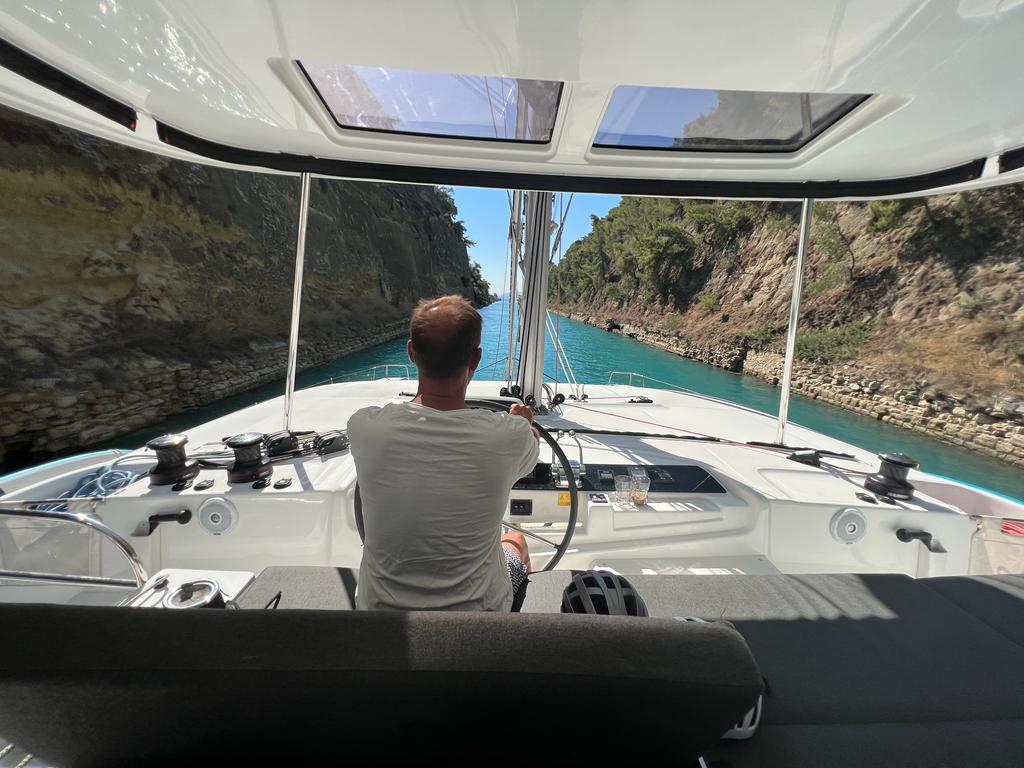
After spending their early Mediterranean seasons carefully managing the Schengen Visa rules, Mike and Linda decided they wanted a simpler way to enjoy extended time in Europe. Their solution was to apply for a Greek Digital Nomad Visa, giving them the freedom to spend an entire year based in Greece without constantly monitoring how many Schengen days they had remaining.
Looking back, they found the process to be much more straightforward than they had expected. While there was a fair amount of paperwork to organise, they described the application itself as relatively simple once everything had been gathered.
Their advice was to choose the country where you expect to spend the majority of your time. In their case, Greece was the obvious choice, but they also discovered that many European countries now offer similar Digital Nomad Visa programs, each with broadly comparable requirements.
What Did They Need to Apply?
While individual requirements vary between countries and can change over time, Mike and Linda found that the application focused on demonstrating three key things:
• Proof that they had sufficient financial resources to support themselves while living in Greece.
• Evidence that they held appropriate medical or health insurance.
• A medical examination confirming they met the health requirements for the visa.
Beyond that, the process largely came down to gathering and submitting the required documentation. As they explained, there wasn’t anything particularly difficult about the application, it simply required taking the time to compile everything correctly.
The Biggest Benefit? Freedom to Cruise Without Counting Days
For Mike and Linda, the greatest advantage wasn’t simply being able to stay longer, it was the peace of mind that came with it.
Instead of tracking every border crossing and calculating how many Schengen days remained, they could focus on enjoying the experience of cruising. They no longer needed to keep detailed records of every day spent in each country or plan their itinerary around visa limits.
With their Greek Digital Nomad Visa in place, they were free to spend up to a year in Greece while still retaining the ability to visit other Schengen countries under the applicable rules. That flexibility completely changed the pace of their cruising season, allowing them to stay longer in favourite anchorages, explore more thoroughly, and make decisions based on weather and enjoyment rather than immigration deadlines.
Their biggest takeaway is reassuring for anyone considering long-term cruising the Mediterranean. Don’t assume you’re limited to the standard 90-day tourist allowance. If you’re planning to spend an extended period in Europe, it’s worth researching the Digital Nomad Visa options available in the country where you intend to base your yacht. It could transform your entire cruising experience, just as it did for theirs.
*DISCLAIMER – If you stay longer than 180 days you may be subject to local tax laws.



Understanding European Tax Regulations for Your Yacht
One of the biggest questions prospective owners have when buying a yacht in Europe is how European tax regulations work.
While everyone’s circumstances are different, and tax advice should always be sought before purchasing a yacht, understanding the basics can help you plan your Mediterranean cruising adventure with confidence.
For Mike and Linda, purchasing their Lagoon in Europe allowed them to enjoy the flexibility of cruising throughout the Mediterranean under Europe’s Temporary Admission arrangements, commonly referred to as tax-free cruising for non-European residents.
What Is Temporary Admission?
Temporary Admission is a customs arrangement that allows many yachts owned by non-European residents to remain in European waters without permanently importing the vessel or paying European VAT, provided certain conditions continue to be met.
For many international owners, this makes buying a yacht in Europe an attractive option, allowing them to enjoy multiple Mediterranean cruising seasons before deciding whether to relocate the yacht elsewhere or permanently import it.
The exact eligibility requirements depend on your residency, ownership structure and intended use of the vessel, so it’s essential to seek professional advice before purchasing your yacht.
One Important Rule They Learned
One of the biggest lessons Mike and Linda shared is that while the arrangement offers tremendous flexibility, there are still important timelines to understand.
As they explain, under their arrangement the yacht needed to leave the European customs union every 18 months before returning, effectively resetting its Temporary Admission period.
Fortunately, this doesn’t mean a long offshore passage.
Several popular cruising destinations sit just outside the European customs territory, making the process relatively straightforward while adding another exciting destination to your itinerary.
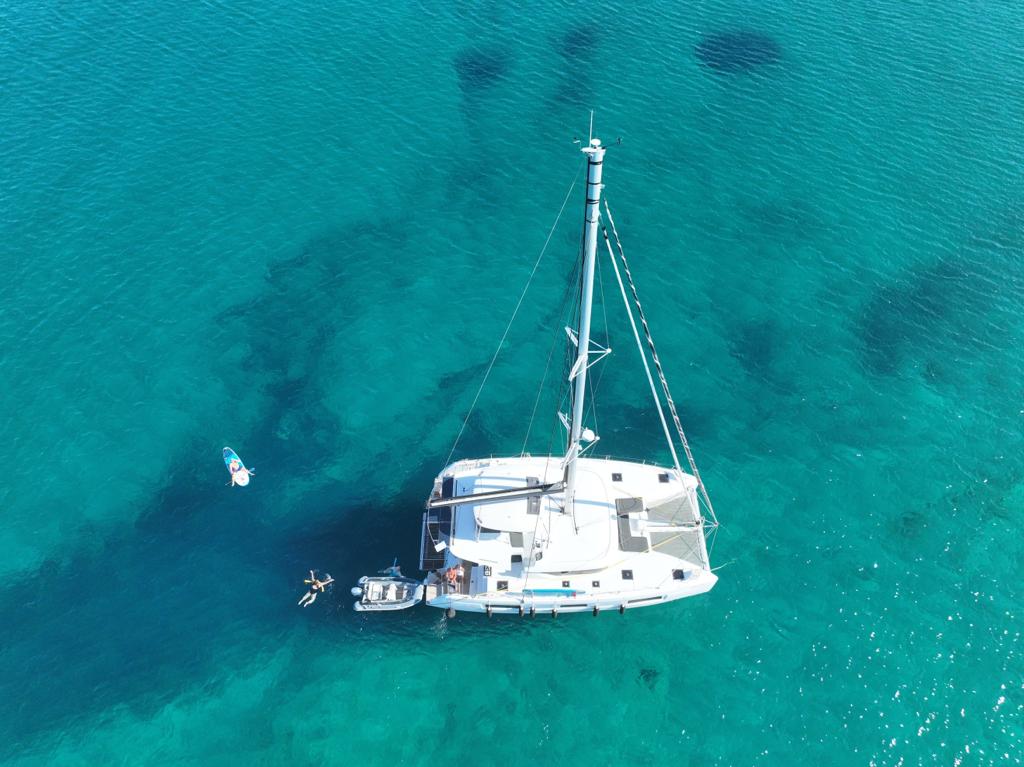
For Mike and Linda, Turkey became the obvious choice, not only because it is an incredible cruising destination in its own right, but also because it provided the opportunity to satisfy the customs requirements before returning to continue cruising the Mediterranean. They also note that Montenegro, Albania and Tunisia are popular alternatives used by many international yacht owners. Regulations change frequently so always look for the latest advice.
Plan Ahead and Enjoy the Journey
One of the biggest takeaways from Jabulani’s Journey is that cruising the Mediterranean isn’t difficult, but it does reward preparation.
Before taking delivery of their Lagoon 46, many of the biggest questions revolved around visas, tax regulations and how long they could realistically stay in Europe. After four seasons exploring the Mediterranean, they discovered that each of these concerns had practical solutions.
Learning how the Schengen Visa works allowed them to confidently plan their cruising seasons. Applying for a Greek Digital Nomad Visa gave them even greater flexibility, removing the need to constantly count days and allowing them to enjoy Greece at a slower pace. Understanding Temporary Admission and the requirements for foreign-owned yachts also meant they could continue cruising throughout Europe while remaining compliant with customs regulations.
Their experience shows that with the right planning, owning and cruising a yacht in the Mediterranean is far more achievable than many people first imagine.
If you’re considering buying a yacht in Europe, taking the time to understand these regulations before your European Delivery will allow you to spend less time worrying about paperwork and more time enjoying one of the world’s greatest cruising grounds.
In the next part, we’ll move beyond the paperwork and share the practical lessons they learned after taking delivery, including provisioning in Les Sables d’Olonne, shopping throughout the Mediterranean, welcoming guests onboard, and the small decisions that made life aboard easier season after season.
Frequently Asked Questions About Cruising the Mediterranean
Can Australians cruise the Mediterranean for longer than 90 days?
Yes. While Australians are generally limited to 90 days within any 180-day period under the Schengen Visa rules, there are several ways to extend your time in Europe, including spending time in non-Schengen countries or applying for an eligible Digital Nomad Visa.
What is the Schengen 90/180 Day Rule?
The Schengen Rule allows visitors from many non-European countries to spend up to 90 days within any rolling 180-day period across participating Schengen countries. Once those 90 days have been used, additional time generally needs to be spent outside the Schengen Area before days become available again.
Which Mediterranean countries are not part of the Schengen Area?
Popular cruising destinations outside the Schengen Area include Turkey, Montenegro, and Tunisia. Many yacht owners incorporate these countries into their cruising itinerary while managing their available Schengen days.
Is a Digital Nomad Visa worth it for yacht owners?
If you plan to spend an extended period based in one country, a Digital Nomad Visa can provide significantly greater flexibility than relying solely on the standard Schengen tourist allowance. It also removes much of the stress associated with counting visa days.
Can I buy a yacht in Europe as an Australian?
Yes. Many Australians purchase yachts in Europe through European Delivery programs. The ownership structure and tax implications vary depending on your circumstances, so professional advice should always be sought before purchasing.
What is European Temporary Admission?
Temporary Admission is a customs arrangement that may allow qualifying non-European residents to keep their yacht in European waters for a limited (18 Month) period without permanently importing it or paying European VAT (20%), provided the applicable conditions continue to be met.
Does my yacht have to leave Europe?
For yachts operating under Temporary Admission arrangements, there are circumstances where the vessel must leave European customs territory before returning. The exact timing and requirements depend on the applicable regulations and your ownership structure, so professional advice is recommended.
Where do yachts leave Europe to reset Temporary Admission?
Many Mediterranean yacht owners choose destinations such as Turkey, Montenegro, or Tunisia, depending on their cruising itinerary and the current customs requirements.
What is European Delivery?
European Delivery allows buyers to take ownership of their yacht in Europe before beginning their cruising adventure. It provides the opportunity to learn the yacht where it was commissioned and immediately begin exploring the Mediterranean.
Is cruising the Mediterranean difficult for first-time owners?
Not necessarily. As Mike and Linda discovered, the biggest challenges are understanding visas, customs regulations and planning ahead. Once these are in place, cruising the Mediterranean becomes a remarkably accessible and rewarding experience.
LATEST LAGOON CATAMARAN REVIEWS
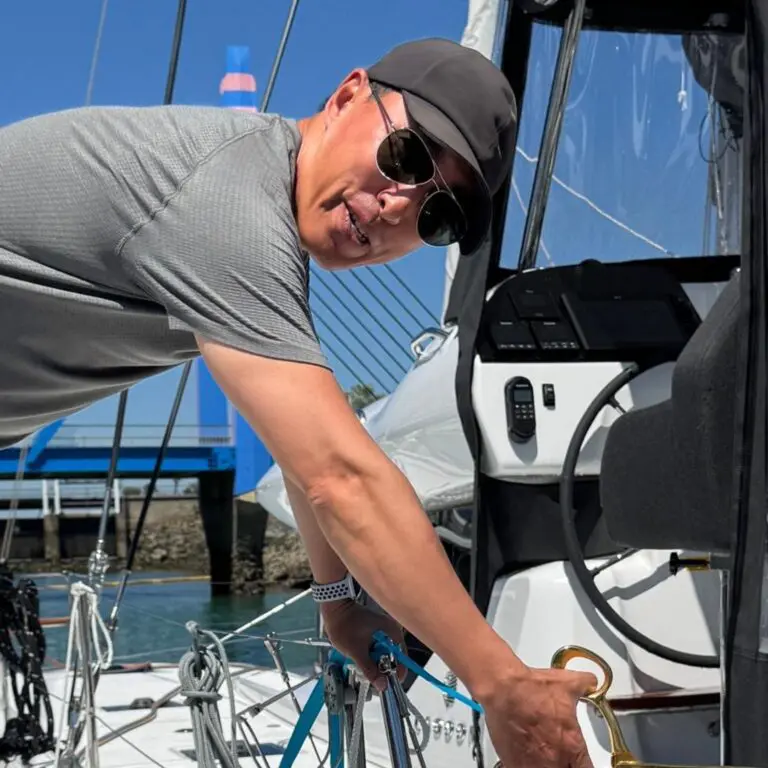
Why The Lagoon 43 is the Best Catamaran for Liveaboard Cruising – Long
Long, a first-time catamaran owner, spent years researching before choosing the Lagoon 43 for his global sailing adventure starting in France.
“It has fully met my expectations. The size is just right for me, spacious but manageable, and very livable. After two months and over 2,000 nautical miles of sailing, I’ve been very happy with its performance. The interior layout, saloon design, semi flybridge, and included configurations perfectly suit my family’s lifestyle and the way we entertain friends on board.
If what you really want is a valuable, challenging, and rewarding life experience, then absolutely go for it. This kind of journey is absolutely worth it.”
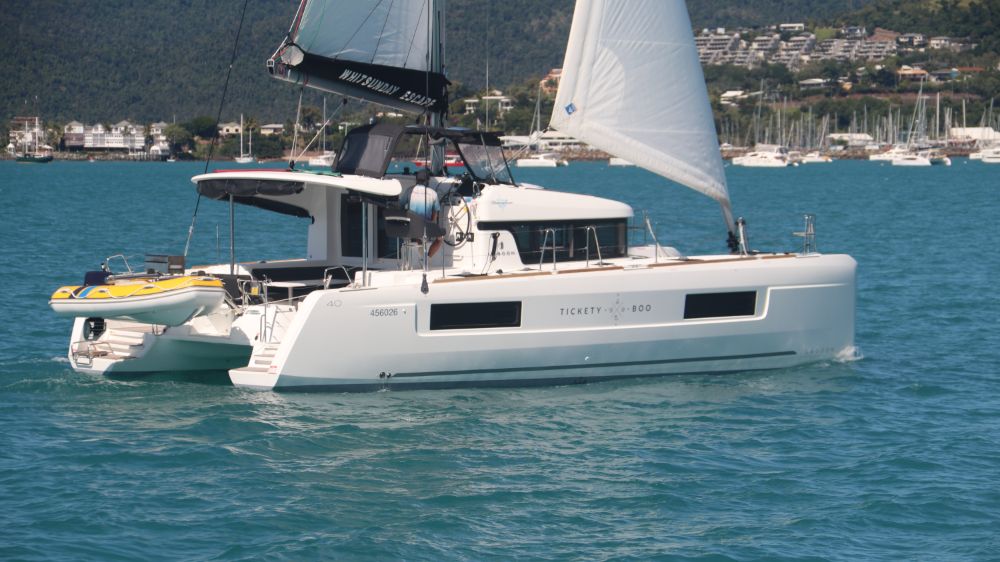
Lagoon Catamaran Charter Boat Investment Journey – Mike
Six years after purchasing a Lagoon 40 for charter in the Whitsundays, Mike reflects on the decision that exceeded expectations.
“We approached the charter boat investment with a business mindset. We modelled everything conservatively, and honestly, it’s performed better than expected. Even through COVID, we averaged around 165 charter nights a year, and the boat held its value far better than we’d anticipated.
The Lagoon 40 hit the sweet spot, it’s the perfect size for the Whitsundays market. Less intimidating for first-timers, and a strong performer in bookings.
The boat was delivered basically ready to charter.
After six years, I’d absolutely do it all again. It’s been a positive experience from start to finish, and if we go again I’d be looking at the Lagoon 43.”
⋆⋆⋆⋆⋆
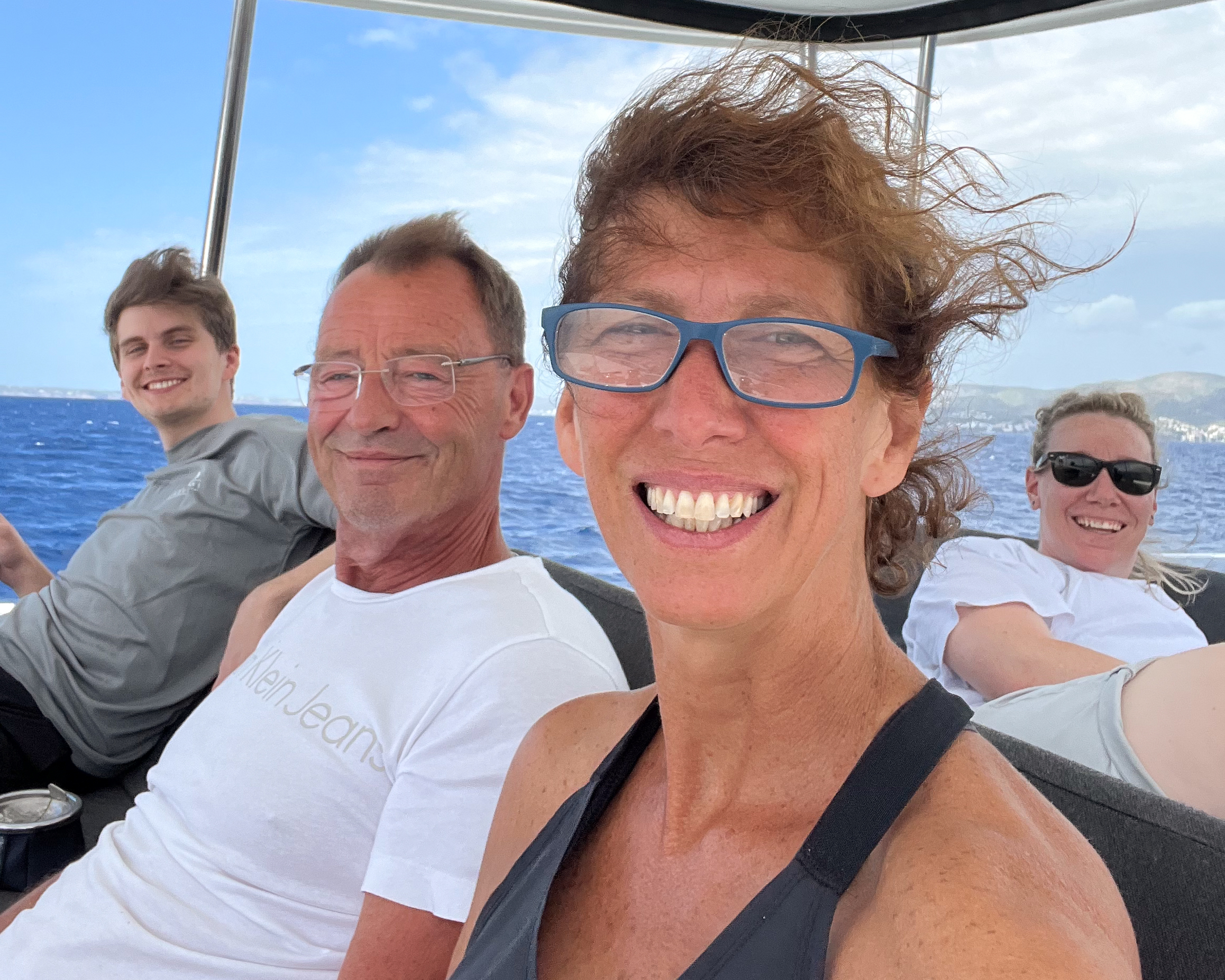
Lagoon 46 Favourite Features Real Owner Testimonial – Mike and Linda
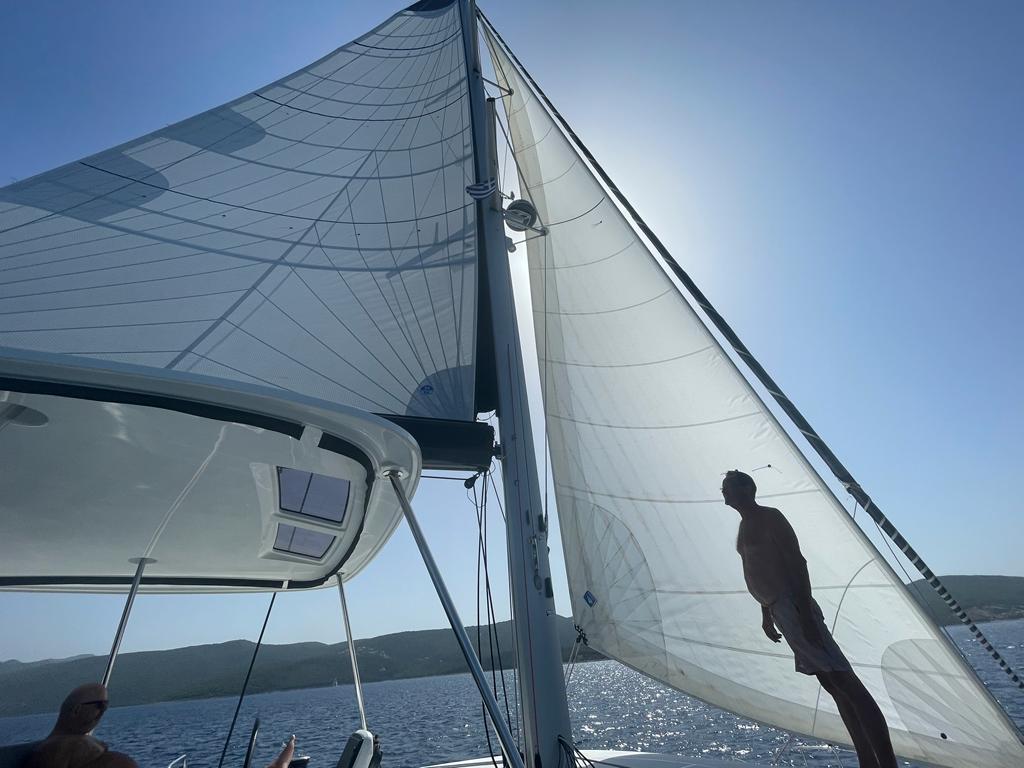
After 2 seasons of sailing the Med on their Lagoon 46 Mike and Linda shared what they love most, “The Lagoon 46 has given us a whole new level of freedom and comfort. I love the Code Zero sail for light wind performance, and Linda’s favourite spot is the flybridge, it’s where everyone gathers when we’re sailing. With a watermaker and generator on board, we’ve been able to explore more remote places and stay cool during the heatwaves in Greece. It’s made the whole experience effortless and enjoyable.”
⋆⋆⋆⋆⋆